
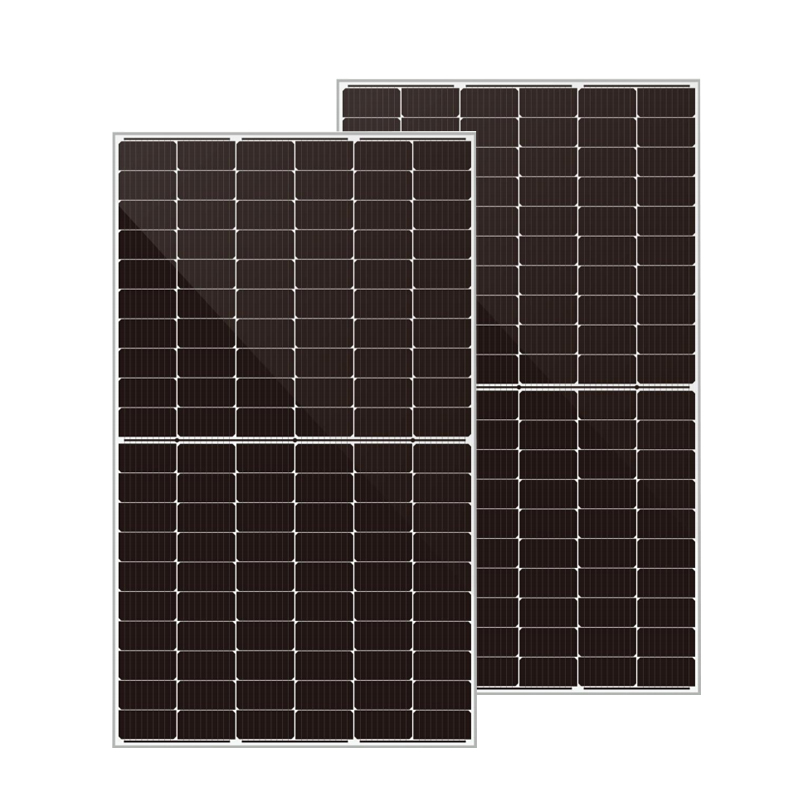
In recent years, the cost of photovoltaic (PV) solar technology has seen a remarkable decline, making solar power an increasingly viable and attractive option for energy generation worldwide. This downward trend in PV solar costs is transforming how we think about energy, especially in regions that have long struggled with electricity access. As solar power systems become more affordable and efficient, companies specializing in solar solutions are playing critical roles in expanding sustainable energy access, particularly in areas where traditional electricity infrastructure is lacking.
One such company is a leading manufacturer and exporter of solar power systems, energy storage solutions, solar panels, lithium batteries, gelled batteries, and inverters. The company’s journey started with solar street lighting poles and has since grown to become a major player in the solar street light market. Their experience exemplifies how the solar industry has evolved and expanded its footprint in global markets.
### PV Solar Cost Trends: Making Solar More Accessible
The cost of PV solar technology has dropped dramatically over the last decade thanks to advancements in manufacturing, scale economies, and innovation in system design. These reductions have made solar energy more accessible not only for residential and commercial customers in urban areas but also for rural and underserved communities that have historically been off-grid.
In particular, improvements in solar panel efficiency and battery storage options have dramatically increased the feasibility of solar solutions for continuous power supply. Battery technology—including lithium and gelled batteries—has been key to enabling energy storage systems that store solar energy generated during the day for use at night or during periods of low sunlight.
The decreasing cost trends have given rise to a new wave of off-grid and hybrid solar systems, suitable for street lighting, remote homes, health clinics, schools, and small businesses, especially in developing countries. These systems provide reliable, clean energy without the need for expensive wiring and infrastructure development that traditional power grids require.
### Expanding Solar Street Lighting: Brightening Roads and Communities
One of the most visible and impactful uses of solar technology has been in solar street lighting. Solar street lights are increasingly deployed in regions where electricity supply is inconsistent or completely absent. Dark roads pose safety risks and hamper economic activity after sunset. Solar street lighting systems, powered by PV solar panels and supported by effective energy storage systems, have become a lifeline for enhancing safety and extending productive hours in such communities.
The company’s initial focus on solar street lighting reflects this global need and strategic approach. By manufacturing and exporting robust solar street lighting poles equipped with energy-efficient LEDs and reliable battery systems, they help illuminate roads, pathways, and public spaces in areas lacking grid connectivity. This lighting infrastructure not only improves visibility and safety but also enables night-time commerce and social activities that contribute to community development.
### Beyond Lighting: Integrated Solar Power Systems
Beyond street lighting, there is growing demand for integrated solar power systems for a variety of applications. This includes standalone home solar kits, solar-powered health facilities, microgrids for villages, and power backup systems. The company’s expertise in manufacturing energy storage systems, including lithium and gelled batteries, complements these solutions and addresses one of the main challenges of solar energy: intermittency.
Reliable energy storage allows solar power to be used when the sun is not shining, making solar systems more practical and dependable. The company’s extensive product range—from solar panels and batteries to inverters—positions them to offer comprehensive energy solutions tailored to the needs of diverse markets. Their ability to deliver complete systems rather than isolated components gives end-users a more seamless and effective solar energy experience.
### Addressing Global Electricity Gaps
Many countries worldwide face electricity shortages or lack electricity access entirely, especially in rural and remote areas. The rural electrification challenge is compounded by the high cost of extending power grids to sparsely populated or geographically difficult regions. This is where PV solar power systems demonstrate their transformative potential.
Solar power systems, combined with reliable batteries and control electronics, enable decentralized energy generation and distribution. They empower communities by providing clean, affordable, and sustainable electricity without the need for expensive grid infrastructure. Solar solutions improve quality of life by powering lighting, communication devices, refrigeration for medicines, irrigation pumps, and even small-scale manufacturing equipment.
The company’s history and product focus illustrate how solar energy technology can address these critical challenges. By starting with solar street lighting and expanding to full solar power systems with energy storage, the company contributes to widening access to electricity, which is fundamental to economic development and social well-being.
### Supporting Global Sustainability Goals
The surge in affordable PV solar technology is also aligned with global sustainability and climate goals. Solar energy is a clean, renewable resource that helps reduce dependence on fossil fuels and lower greenhouse gas emissions. Transitioning to solar power for lighting, household energy, and industrial uses supports international efforts such as the United Nations’ Sustainable Development Goals (SDGs), particularly SDG 7, which aims to ensure access to affordable, reliable, sustainable, and modern energy for all.
By enabling solar solutions that brighten lives in underserved communities, companies in the solar industry contribute to environmental sustainability and inclusive growth. Their products help mitigate climate change impacts while accelerating energy access—thus fostering a resilient, low-carbon future.
### Conclusion
The decreasing cost of PV solar technology is ushering in a new era of energy accessibility and sustainability worldwide. Solar power systems, coupled with advanced energy storage solutions, are becoming essential tools for addressing electricity poverty, enhancing safety through street lighting, and supporting productive economic activities in remote and disadvantaged areas.
The company’s evolution from a focus on solar street lighting poles to comprehensive solar power and storage systems exemplifies the transformative potential of solar technology. As the solar market continues to expand and costs fall further, such companies will remain at the forefront of delivering innovative energy solutions that empower communities and contribute to a sustainable energy future globally.